
Tags
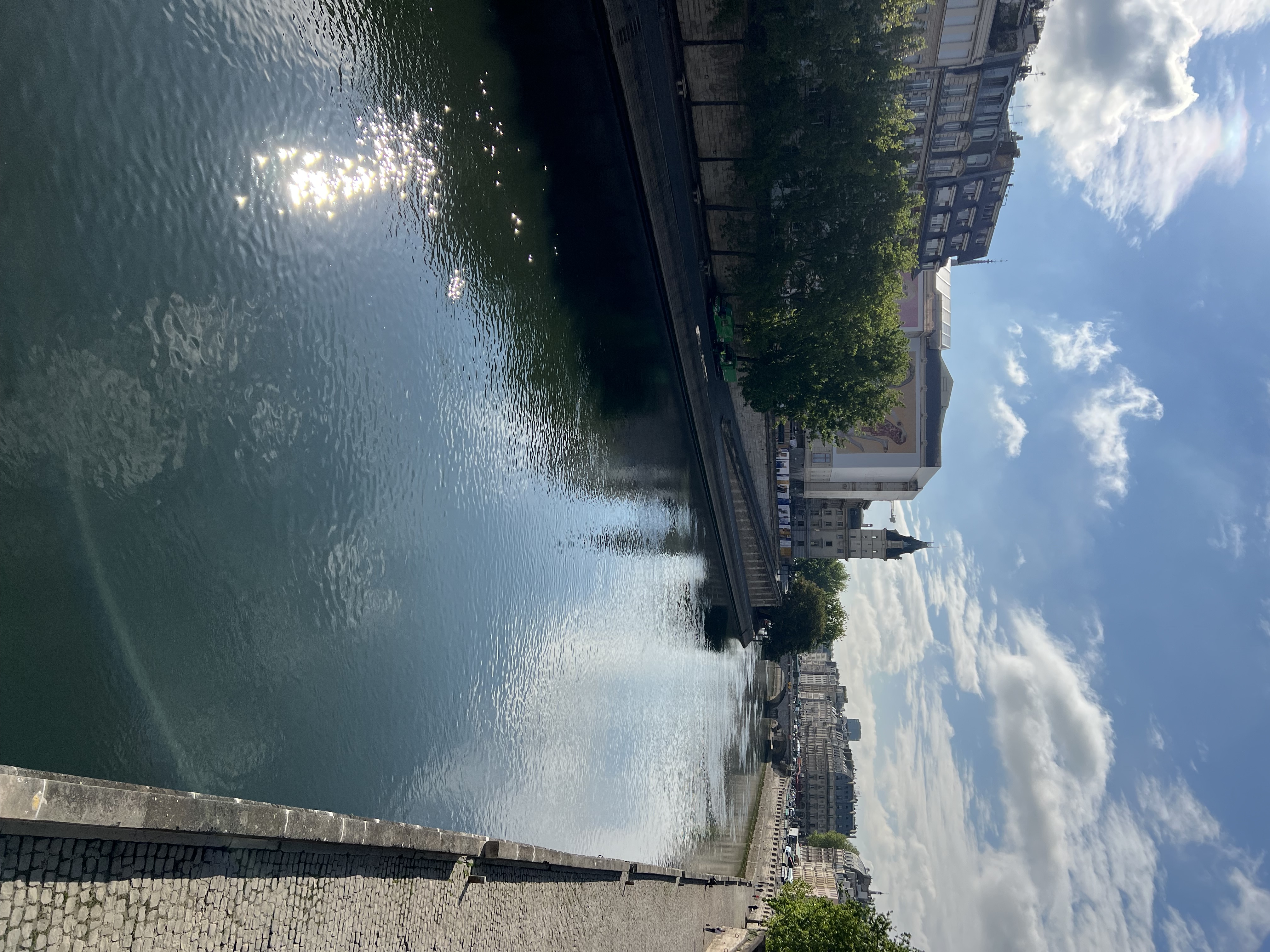
My wife Barbara and I just returned from two weeks in Paris, our fourth visit together over the past 42 years. The maple trees were blooming, the weather temperate, the beauty of the city wondrous. We walked a lot, visited Musee D’orsay, Musee de L’orangerie, Musee Picasso, and the Louvre. The French couldn’t have been more welcoming – I worried about that given the resentment I expected as a consequence of Trump’s hostility towards America’s traditional allies abroad.
The downside, if there was one, were the crowds everywhere, except early in the morning when I walked along the Seine. Thousands of people sat in cafes everywhere in late afternoon consuming pastries and libations, talking and watching walkers-by.
Though I read the International New York Times daily and selectively read email from Israel to stay on top of the news, we took a break – as much as we could – from the daily outrages of the Trump and Netanyahu administrations. The mental relief was welcome.
It’s said that when visiting France, sojourners go to be inspired by beauty – and it is certainly so. The vistas in the city, the parks and centuries’ old cobble stone streets, and the paintings, sculptures and monuments created by the greatest artists in world history are within walking distance. Notre Dame has been open after reconstruction following the fire five years ago to visitors since the end of last year and we were stunned by its majesty. The Church of Sainte Chappelle, also on the Ile de Paris (a stone’s throw from the Church of Notre Dame), built in the 12th to 14th centuries and renovated in the 19th century, is as spectacular a religious architecture as I have ever witnessed.
Walking through the Louvre, one has to decide what exactly to see before going in because of the massive number of works. I decided to visit only High Italian Renaissance and 19th century French Masters, the two focuses I studied in my History of Art Major at UC Berkeley more than 50 years ago.
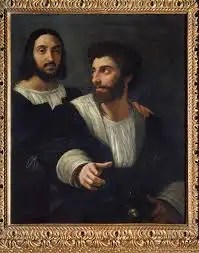
I knew I’d never get close to the Mona Lisa, but there were other pieces I wanted to see as well. The crowd around the mysterious lady watching us from every direction was so intense (150-200 people who refused to move to let others come close) that I left that gallery and sought other master works of Leonardo da Vinci and Raffaello Sanzio da Urbino, including this self-portrait with his friend that Raffael painted as a young man (between 1518 and 1520), the very year he died at the young age of 37.
My impressions as we reflected upon some the greatest of humankind’s creations in western civilization, reminded me not only of the artists’ genius, but of life’s brevity. They are, of course, all gone, but their works remain as their legacy.
Years ago I sat with Leonard Nimoy and asked him about the source of his inspiration as an artist. He said that great artists always have antenna out and receiving. The moments of creation, he noted, come from a place beyond the rational mind. He liked to quote the 19th century American Shakespearean stage actor Edwin Booth (1833-1893) who, Leonard said, heard the solemn whisper of the god of all arts:
“I shall give you hunger and pain and sleepless nights, also beauty and satisfaction known to few, and glimpses of the heavenly life. None of these shall you have continually, and of their coming and going you shall not be foretold.”
As I viewed Paris’ artistic riches, Booth’s notion of the god of all arts filled my thoughts as I marveled at the creative genius left to us in every age.
 Rabbi John Rosove's Blog